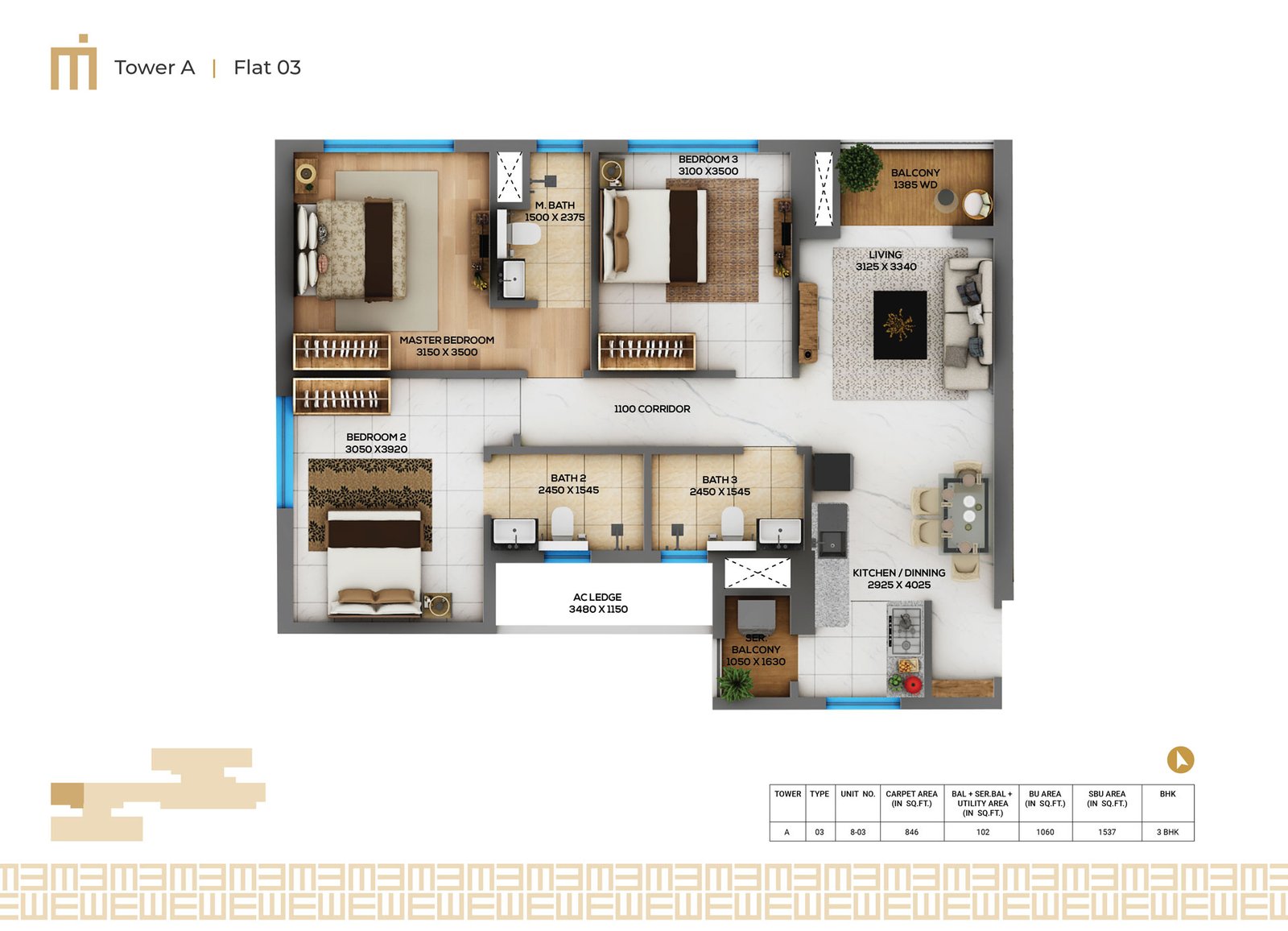
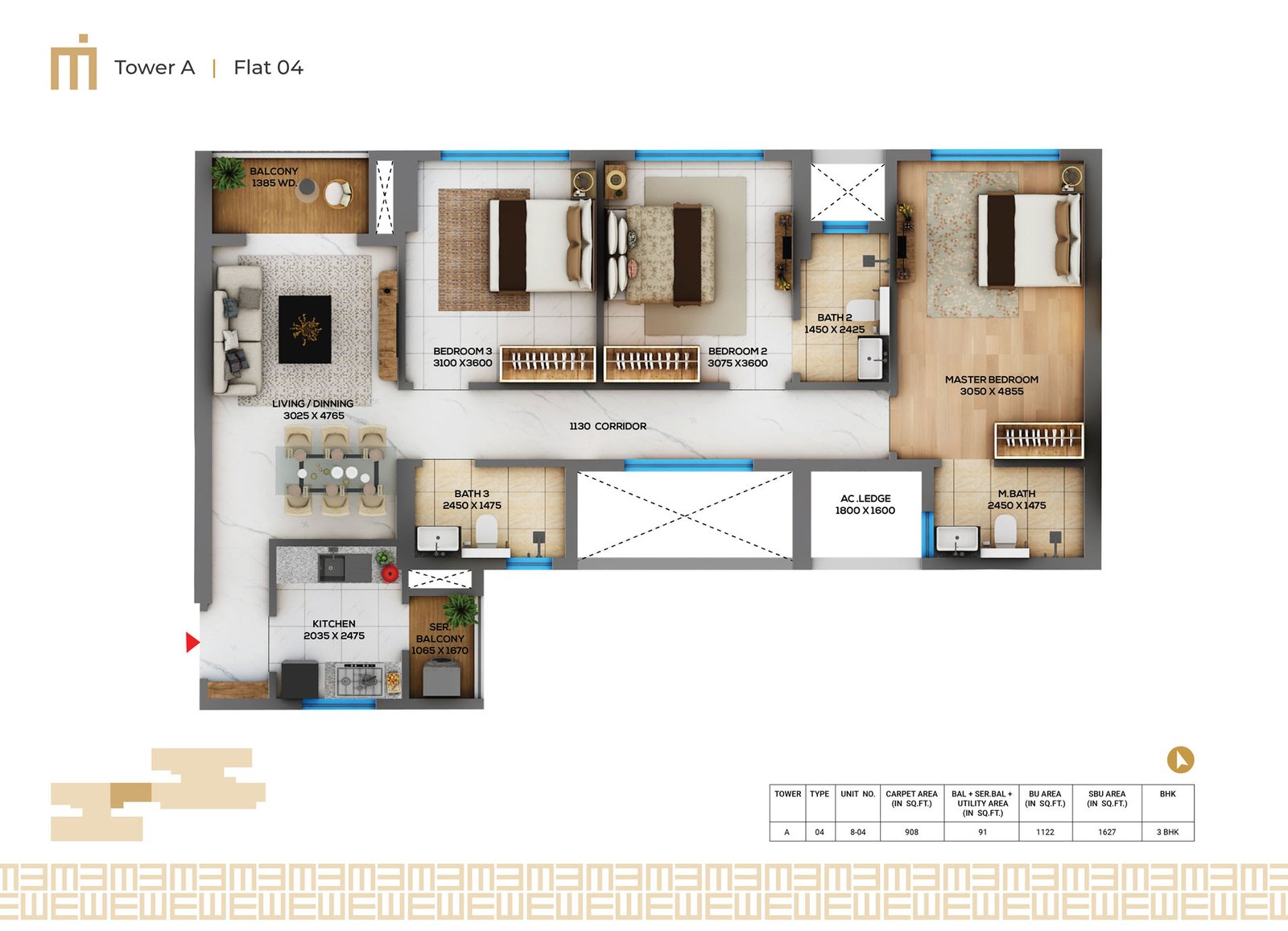
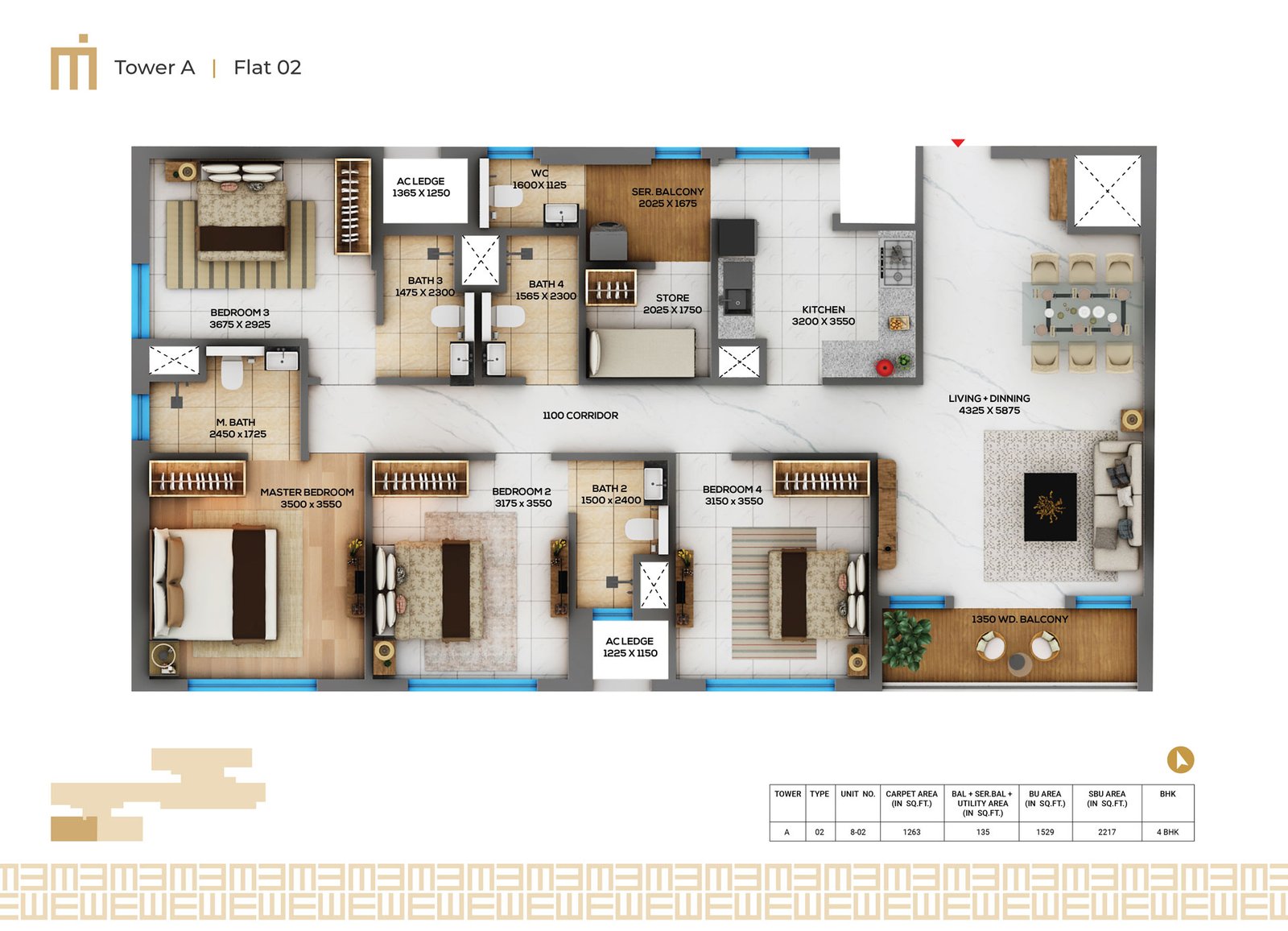
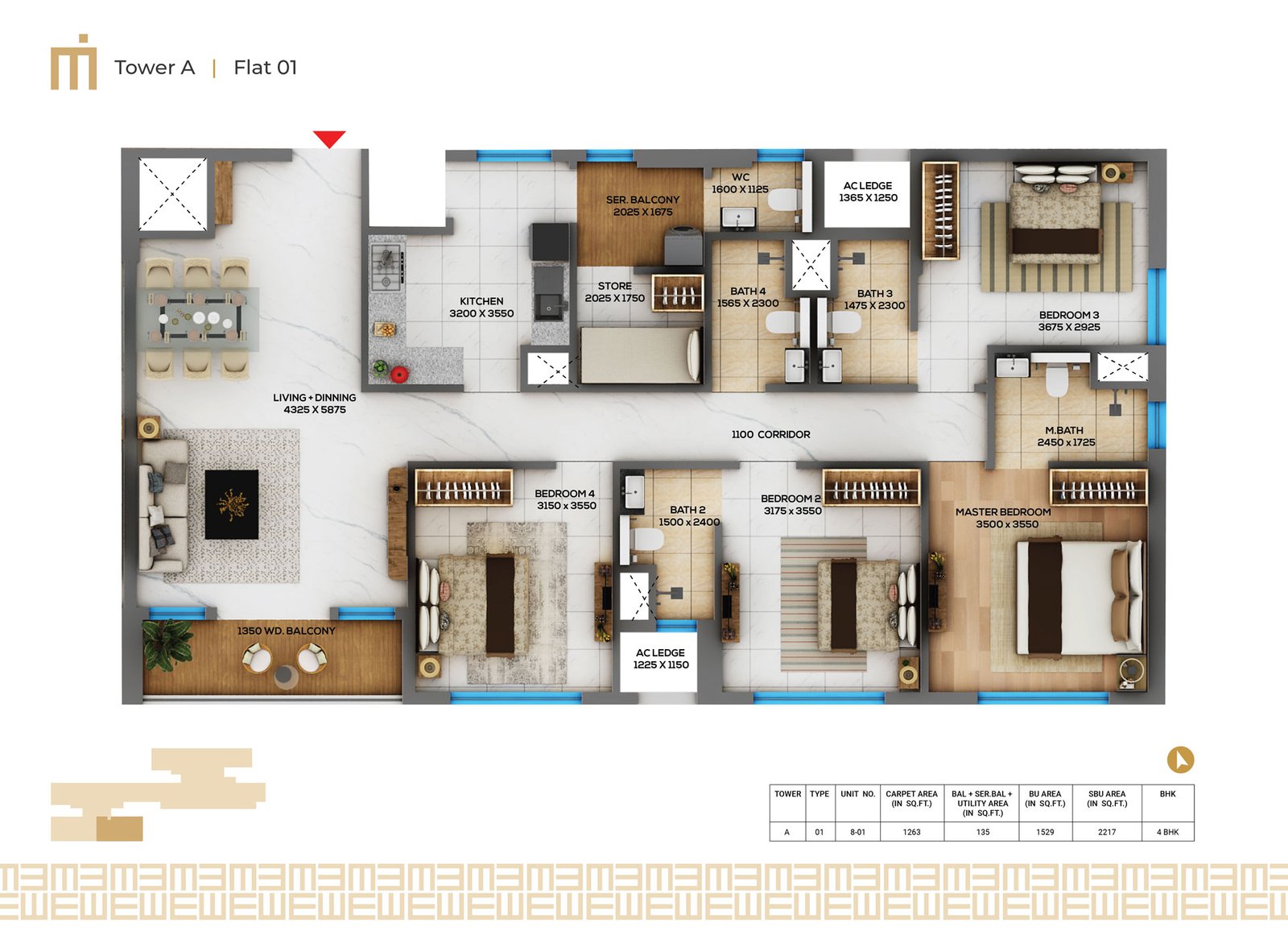
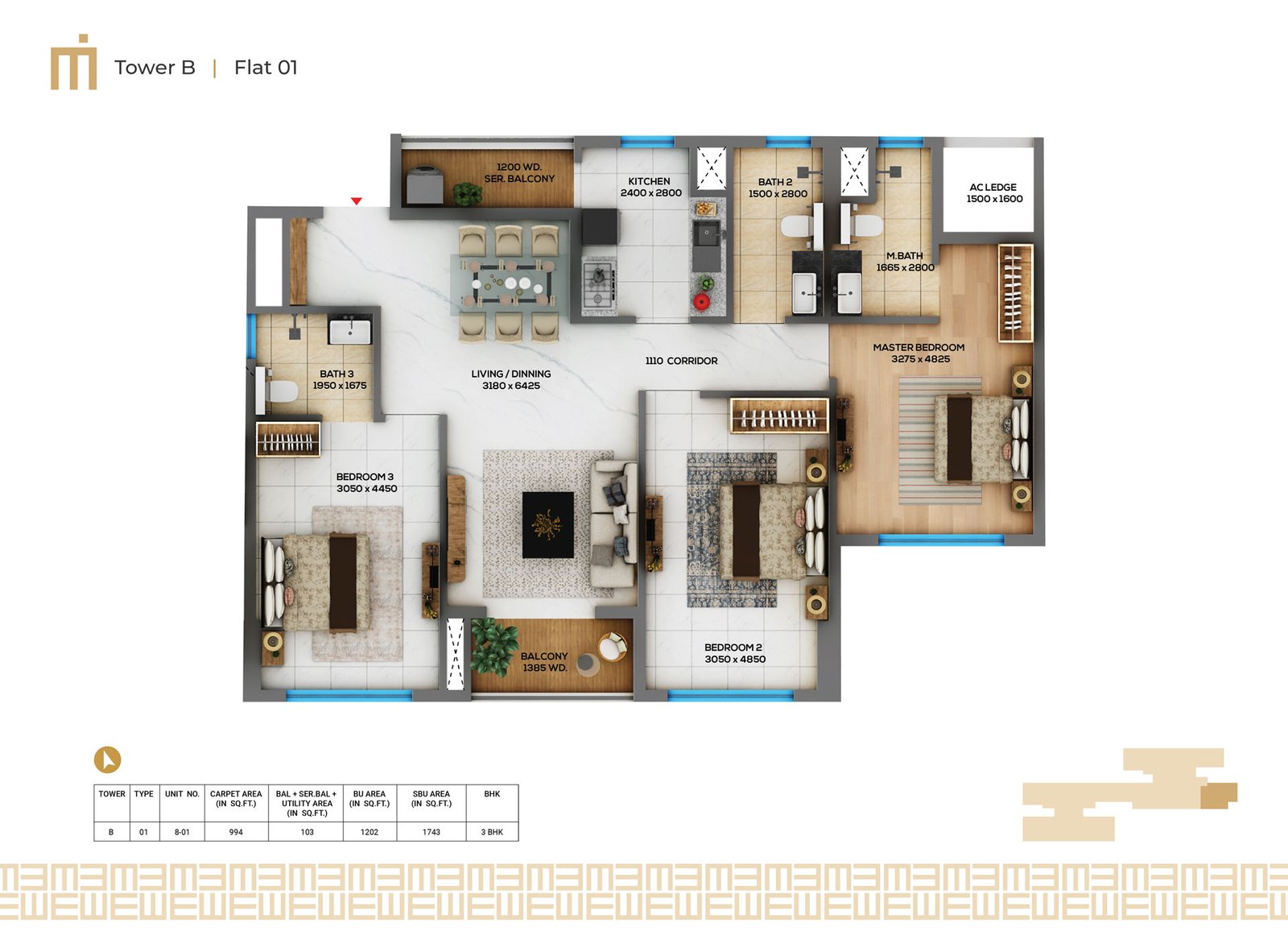
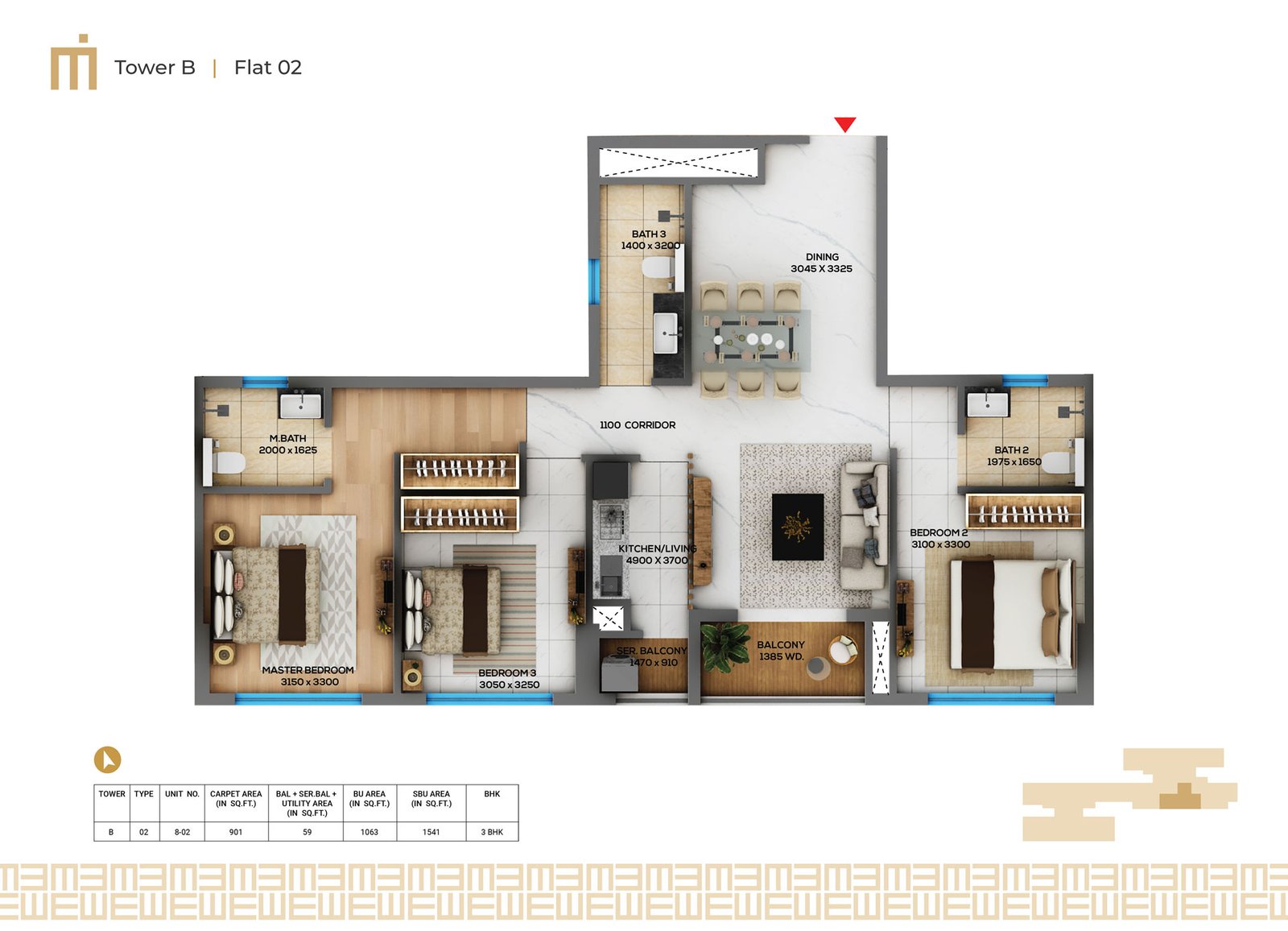
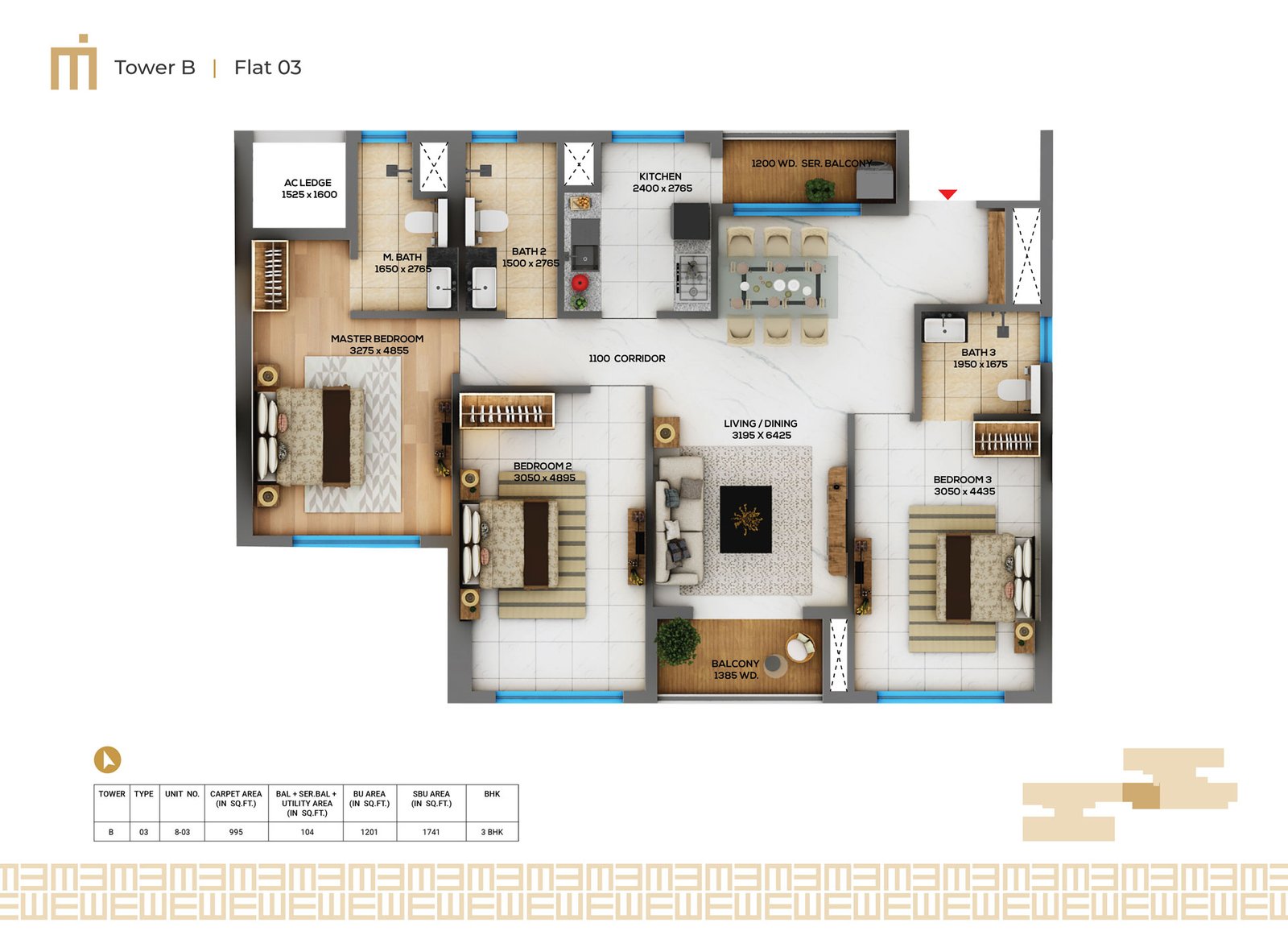


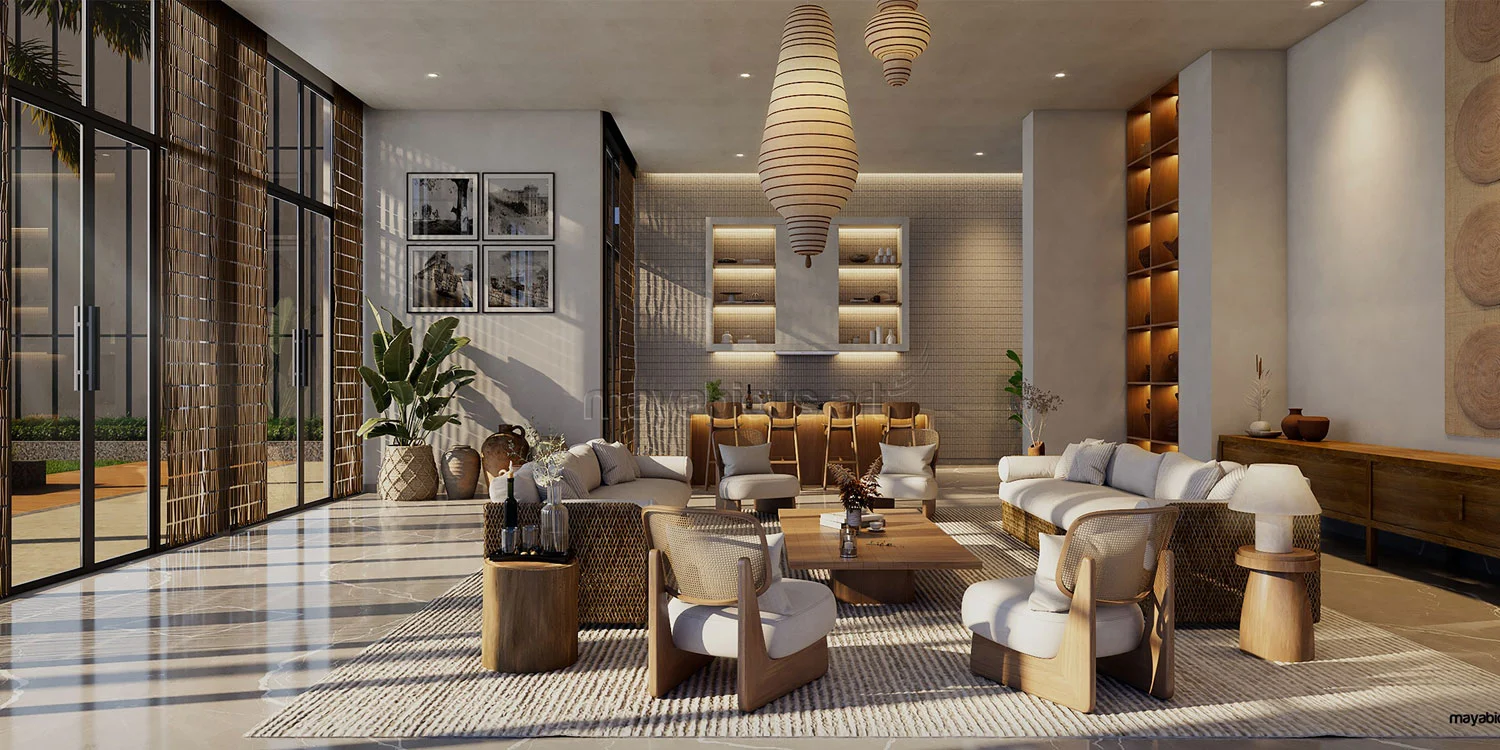
Luxury peaceful apartments in New Town feel calmer and more welcoming when daylight flows in naturally. Natural light shapes mood, improves comfort, and makes interiors feel open without adding visual clutter. In thoughtfully planned urban apartments, daylight becomes a design element that supports daily routines and overall well-being.
Here, we explore how natural light works in interior design and how you can use it effectively in your interior.
1. The importance of natural light and key factors influencing it
Well-lit interiors reduce dependence on artificial lights during the day and help spaces feel connected to the outdoors. Also, in urban settings, homes that maximise daylight often feel larger, calmer, and easier to personalise.
In most homes, natural light enters through windows, balconies, and glazed openings. The direction, size, and placement of these openings decide how daylight spreads across rooms.
Key factors that influence daylight
- Window placement and size
- Floor height and openness
- Interior layout and partitions
- Colour and finish of surfaces
Homes planned with open layouts let daylight travel deeper into the space, which reduces dark corners and uneven brightness.
2. How to plan interiors for better daylight flow?
Interior planning plays a major role in how light behaves indoors. Even homes with similar window sizes can feel very different due to layout choices.
Design principles that work
- Keep large furniture away from windows
- Use open or semi-open layouts between living and dining areas
- Place mirrors or reflective panels opposite windows
- Choose lighter finishes for walls and ceilings
These steps help daylight reach deeper areas of the home and support a sense of ease.
3. Choose the right colours and finishes
Colour selection plays an important role in the way light moves through a room. Lighter surfaces help reflect daylight and reduce harsh contrast, which makes interiors feel brighter and more balanced. A ceiling in a light neutral shade spreads daylight more evenly across the space. Walls in soft neutral tones help carry light through the room and create a calm, open feel. Floors in medium or darker shades add visual depth and balance without absorbing too much light.
4. How to manage glare without blocking light?
Too much direct sunlight can cause discomfort, especially in bedrooms and workspaces. The solution lies in light control rather than light blockage.
Effective light control methods
- Sheer curtains for daytime use
- Adjustable blinds for flexible control
- Blackout layers only where sleep requires darkness
These options help residents adjust light throughout the day without closing off the home from natural brightness.
5. Room-by-room daylight guidance
Each space in a home serves a different purpose, which means daylight must support comfort, focus, or relaxation depending on the room.
| Room | Daylight goal | What helps | Why it works |
|---|---|---|---|
| Living room | Bright and welcoming | Open layouts, reflective finishes, light-coloured walls, minimal window obstruction | Creates a pleasant social space and helps the room feel larger and more inviting throughout the day |
| Bedroom | Calm and adjustable | Sheer curtains for daytime, blackout curtains for rest, soft wall colours | Supports restful sleep while still allowing natural light when needed |
| Kitchen | Clear visibility | Clean window lines, light surfaces, and uncluttered counters near windows | Improves visibility during daily tasks and keeps the space feeling fresh and hygienic |
| Home office | Balanced comfort | Side daylight, adjustable blinds, neutral wall tones | Reduces screen glare and eye strain while maintaining focus during work hours |
This room-wise planning supports an integrated lifestyle that suits families, professionals, and work-from-home routines.
6. Common mistakes to avoid
Even homes with good window placement can feel dull if common design mistakes block or misuse daylight.
| Mistake | Impact | Why does it cause issues |
|---|---|---|
| Heavy curtains all day | Dark interiors | Blocks natural light even when glare control is not required |
| Dark walls everywhere | Uneven brightness | Absorbs daylight and limits the light spread across rooms |
| Blocking windows with furniture | Wasted daylight | Prevents light from entering deeper into the space |
| Poor room zoning | Light stays trapped | Solid partitions stop daylight from moving between areas |
Homeowners today place greater value on interior design that brings in more natural light. Often in premium apartments, homeowners look for a design style that improves brightness, comfort, and the sense of space.
Looking for luxury, peaceful apartments in New Town?
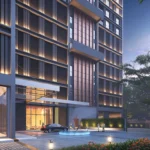
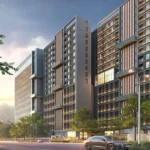
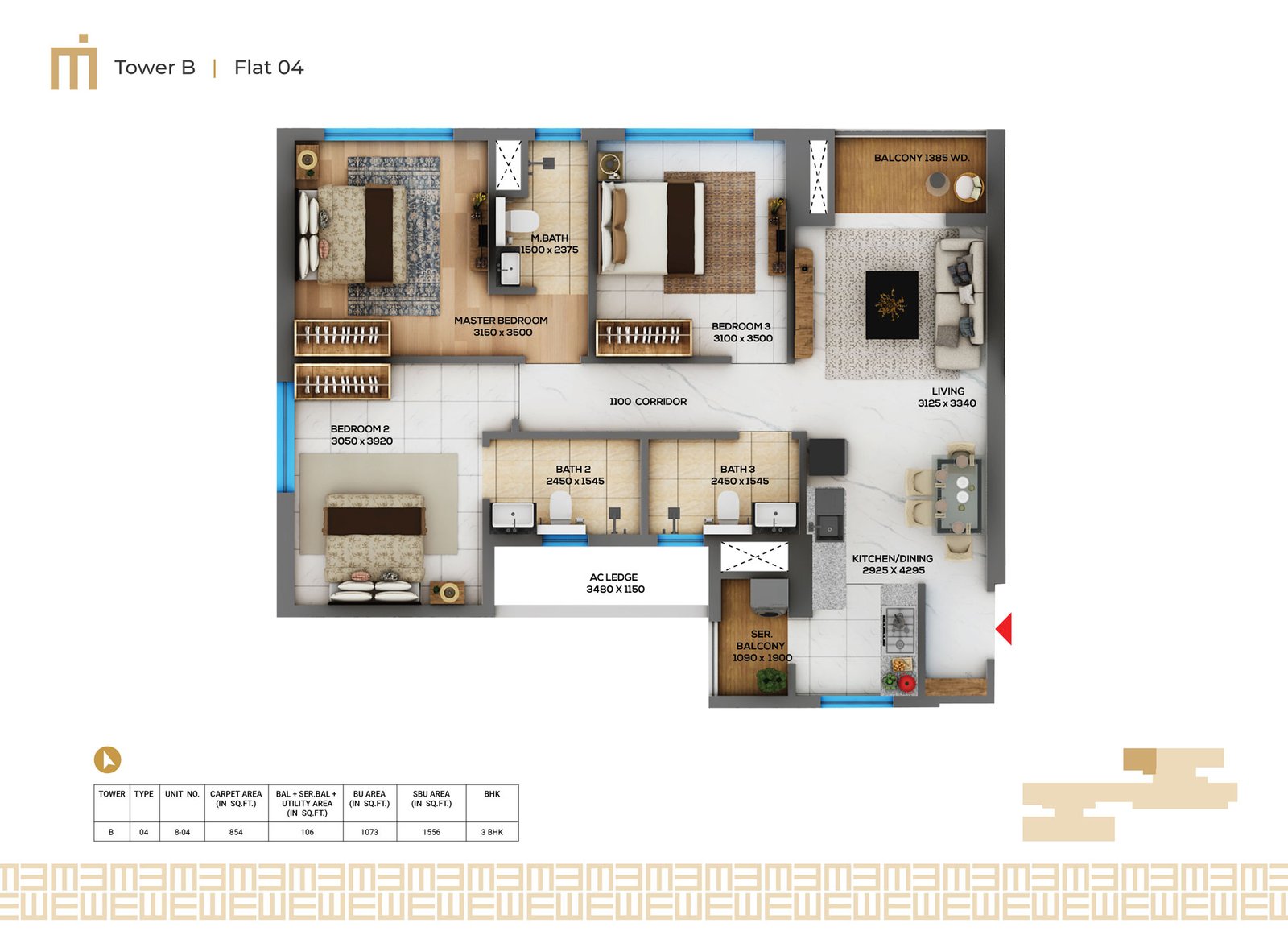
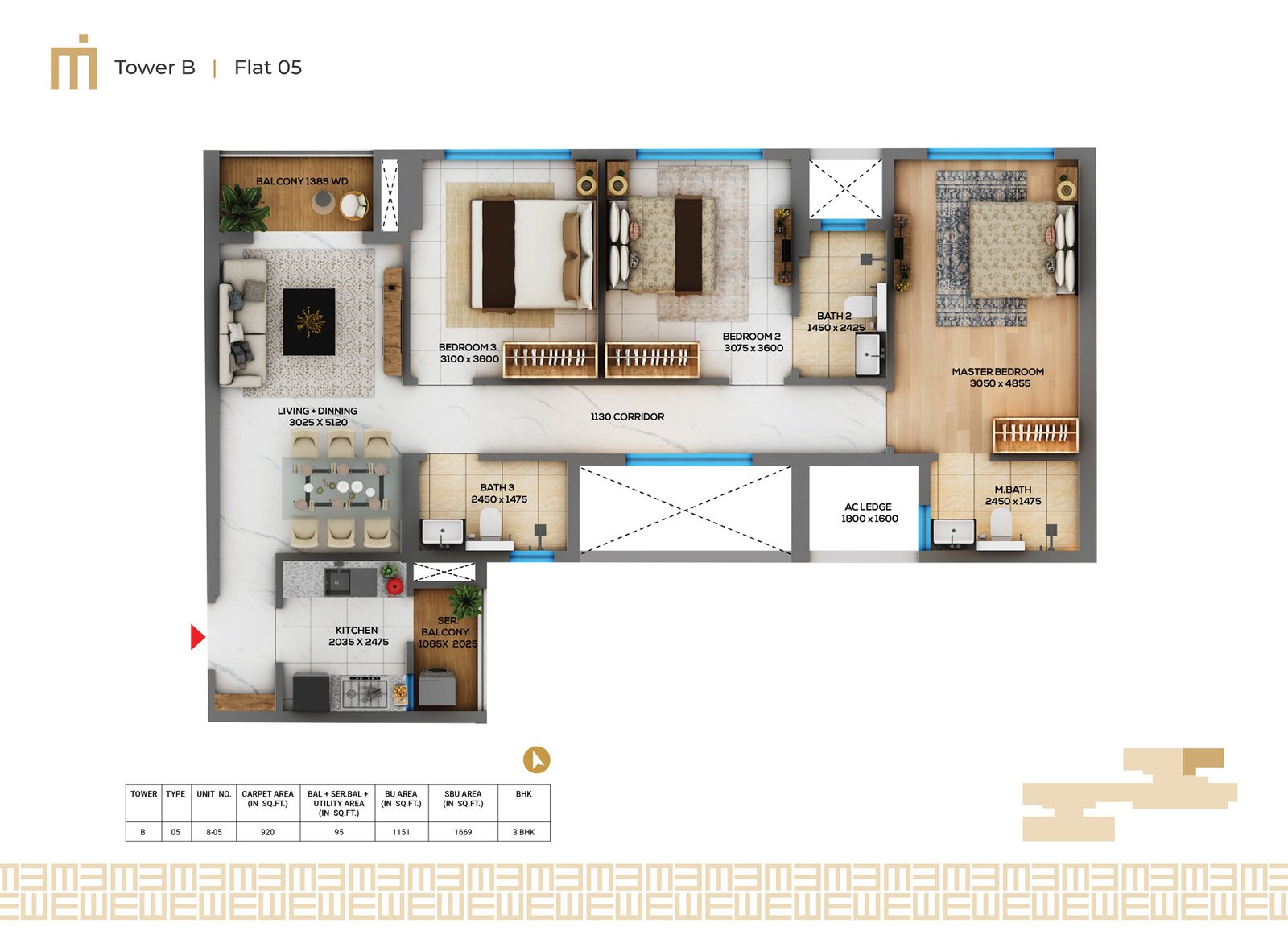
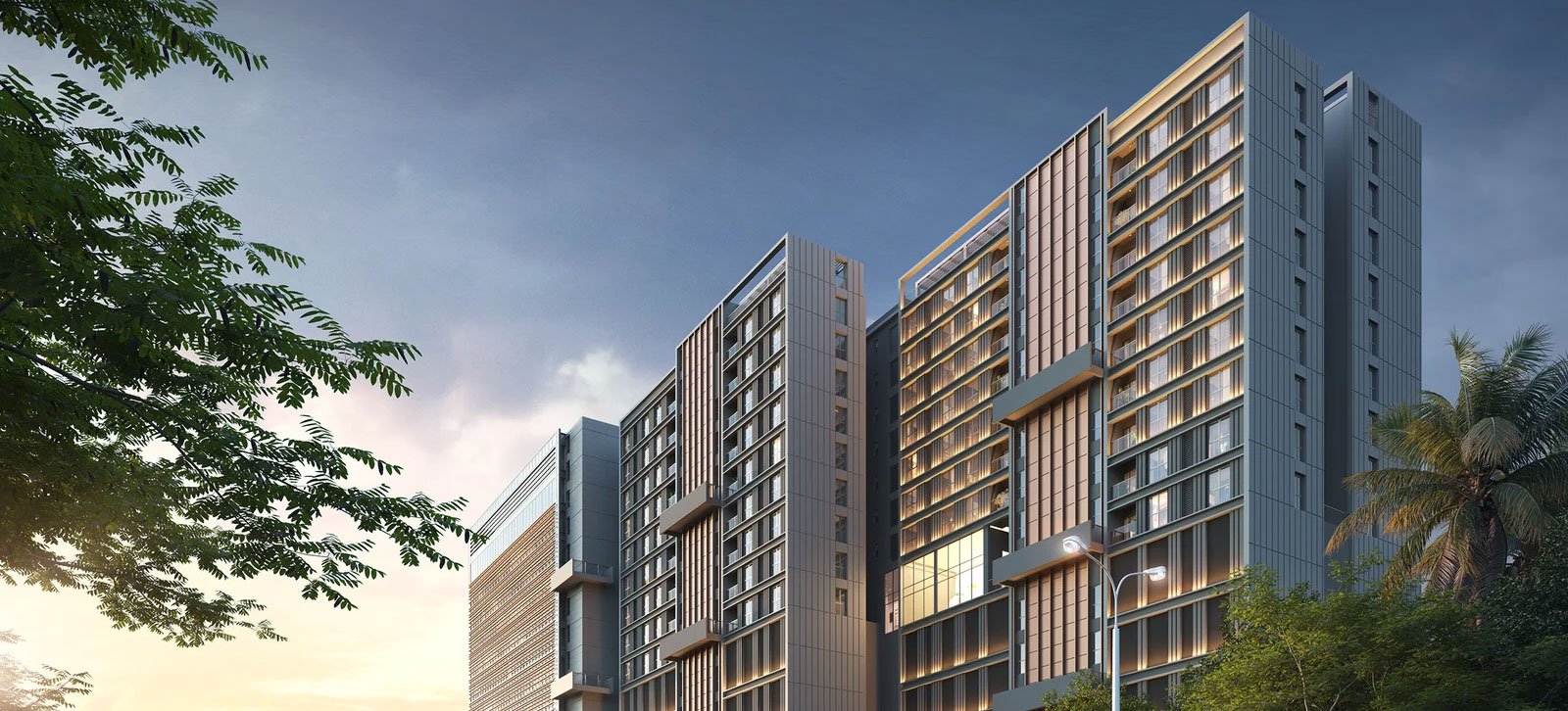
At Peerless Trayam, homes reflect a balance between thoughtful design and everyday comfort. Our residences in New Town feature layouts that support natural light across living spaces, bedrooms, and work areas. Our apartments offer a calm setting within a well-connected urban environment.
We have also designed our apartments with sustainability in mind. Our projects feature rainwater harvesting, green lawns, solar energy panels and follow green building practices.